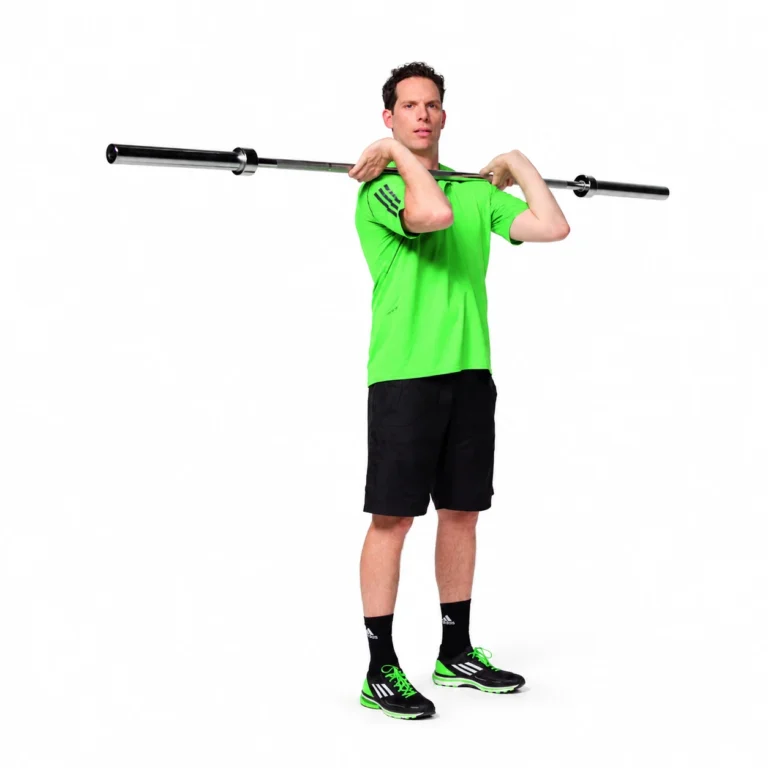
Core Training For Tennis: Choose The Task, Then The Exercise
Core training is too broad a label to guide exercise selection on its own. A player may need to control trunk position against load, coordinate trunk and hip movement, or produce and absorb rotation. Those are related demands, but they are not the same task.
Describe What The Trunk Must Do
Identify whether the exercise asks the athlete to maintain a position, move through a controlled range or transmit force during a larger action. Then describe the support, resistance and movement speed. “Three core exercises” tells you less than the actual conditions of those exercises.
Keep the tennis objective separate from the gym task. An athlete can improve an exercise without automatically improving serve speed, stroke accuracy or movement decisions on court.
Compare Two Different Floor Exercises
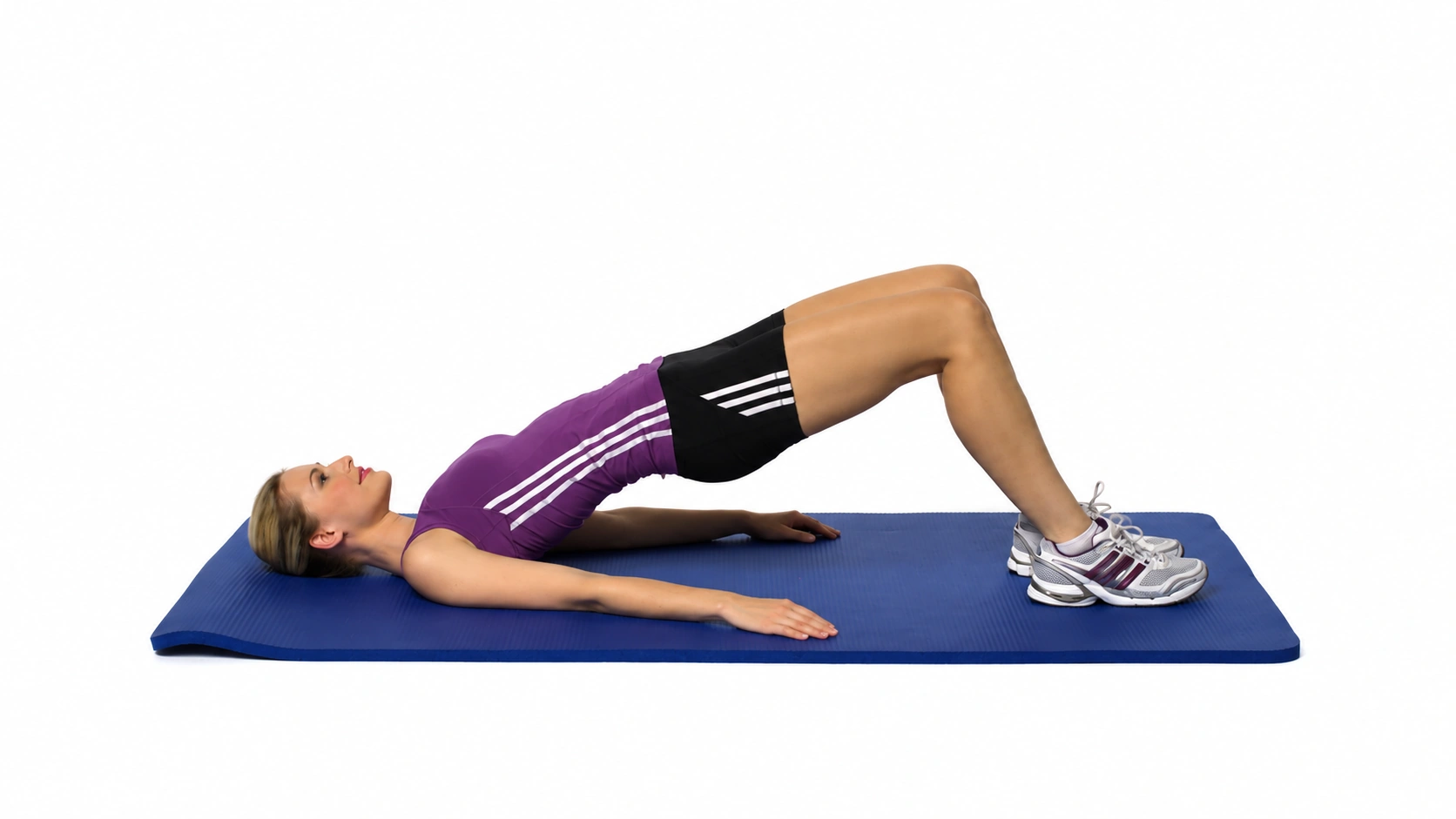
Supine Bridging uses foot support and hip extension while the athlete controls the pelvis and trunk. Supine Hip Lift raises the pelvis with the legs directed upward. The similar names do not make them interchangeable.
In the Hip Lift, the book’s arms-open-to-a-T setup differs from the demonstration’s arms beside the body. Support position changes the conditions. Record which version you perform rather than treating the exercise title as a complete prescription.
Choose Rotation Deliberately
The Russian Twist uses a seated position with elevated feet and controlled rotation toward each hip. It is a specific exercise, not a universal solution for rotational performance. If the intended range causes loss of position, adjust the load or range and record the change.
A medicine-ball throw introduces a different purpose and speed. Use the Trunk Twist Throw guidance to distinguish its stance and progression. Adding a ball to a movement does not make every version equivalent to a tennis stroke.
Progress The Condition That Matters
- Establish the stated setup and repeatable execution.
- Change support, load, range or speed according to the training goal.
- Keep enough consistency to compare sessions meaningfully.
- Do not add instability solely to make an exercise look advanced.
If a player cannot maintain the required position, simplify the task before adding another demand. A smaller progression that preserves execution is easier to coach and evaluate than a large change with several new constraints.
Integrate The Work With The Whole Program
Squats, hinges, pulling and pressing also require trunk organization. Consider their contribution before adding a large separate block of trunk work. The strength-training framework places trunk exercises alongside the other movement patterns.
Choose a small number of relevant tasks, record the version and review the athlete’s response. Avoid judging the session by exhaustion or by how many different exercises were completed.
Evaluate Transfer Separately
Review gym execution and court performance with measures appropriate to each. A better controlled repetition is useful information, but any claim about improved tennis performance needs its own evidence. Use the monitoring worksheet to connect those observations to the next training decision.
Related Resources
Training Articles · Exercise Library · Book And Training Resources