Tennis Mobility And Flexibility: Assess The Movement Before Adding Stretches
A player who struggles to reach a position may lack available range, strength in that range, control of the movement or familiarity with the task. Adding stretches to every difficult movement skips the question that should guide exercise selection: what is actually limiting the action?
In tennis, the useful range depends on the task. Reaching a low ball, loading for a serve and controlling a wide recovery step involve different positions. A single flexibility score cannot describe all of them.
Define The Position You Want To Improve
Use a clear starting position and observable criteria. For a hip-flexion assessment, note the knee position and whether the pelvis moves. For a shoulder assessment, identify the arm position and permitted trunk movement. Consult the assessment protocols rather than improvising a different setup on each occasion.
The tennis fitness-testing review emphasizes matching measures to their purpose. A repeatable score is useful, but it remains a score for that protocol rather than a diagnosis of every movement problem.
Compare Range With Control
Observe what happens when the athlete performs the intended task at a manageable speed and load. A position reached with external assistance may not be a position the athlete can actively organize. Equally, poor execution under fatigue does not establish a flexibility restriction.
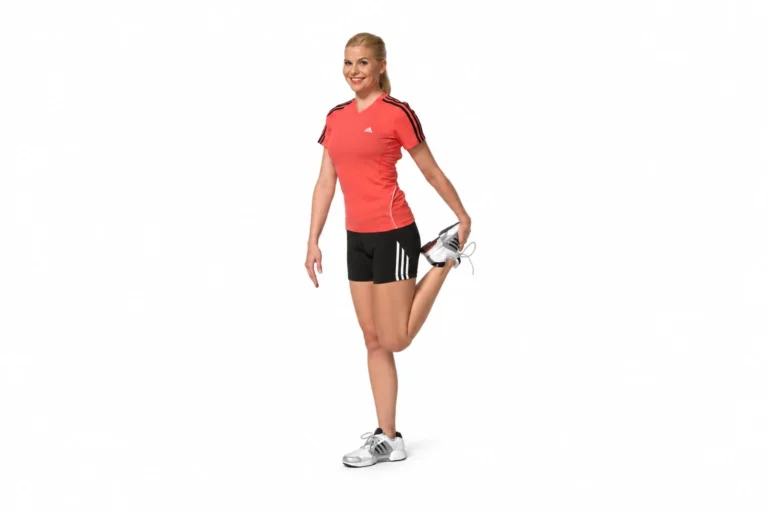
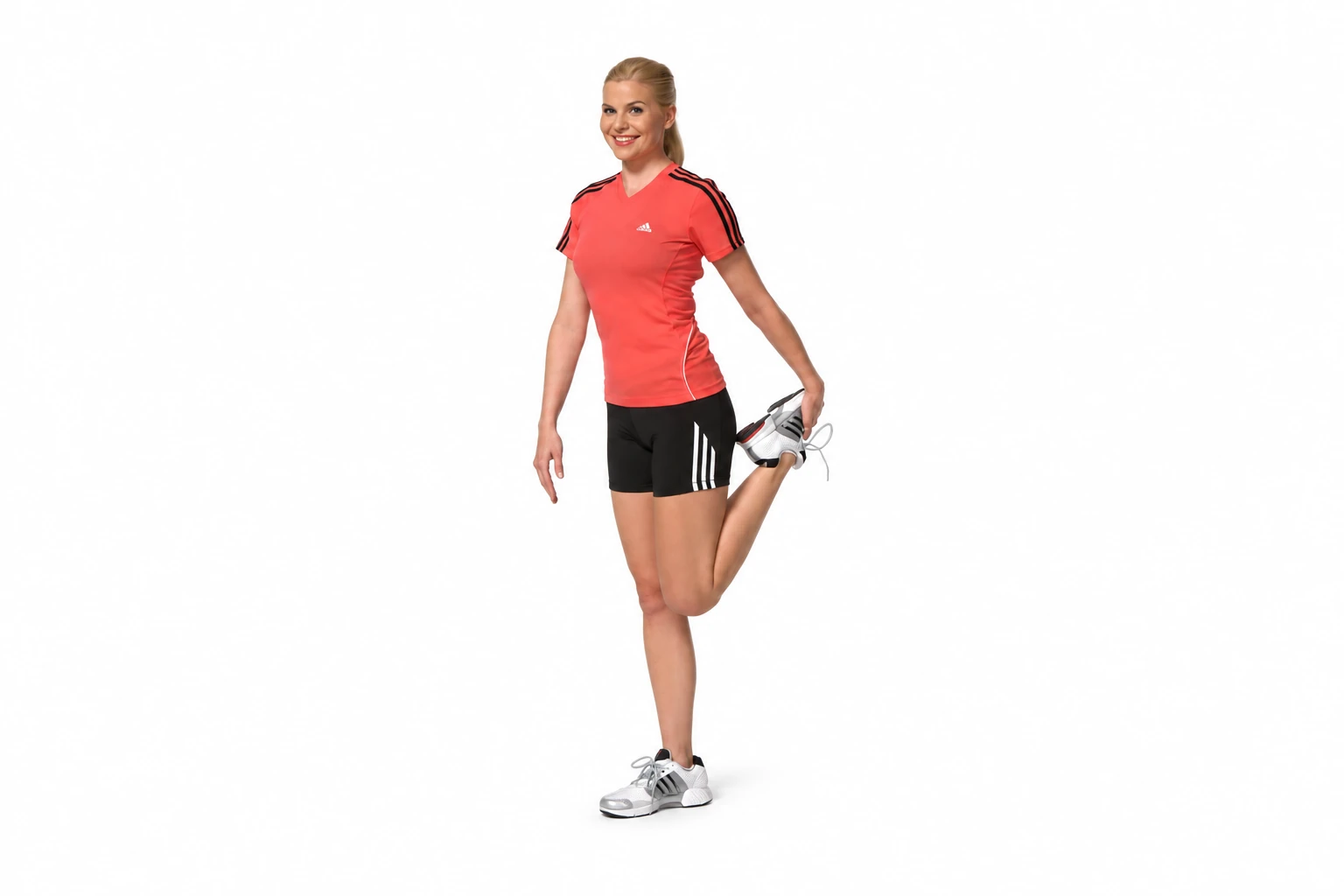
Keep support and balance conditions consistent. A Single-Leg RDL And Quad Stretch combines range with balance on one supporting leg. Losing balance during it does not tell you which tissue needs stretching.
Select The Intervention Deliberately
- If the task is unfamiliar, teach the setup before measuring change.
- If balance dominates the difficulty, simplify support while preserving the intended movement.
- If load causes position to change, reduce resistance and reassess control.
- If comfortable available range appears limited, select relevant flexibility work and review the same measure over time.
These are coaching decisions, not clinical diagnoses. Persistent pain, neurological symptoms or a marked unexplained change require appropriate assessment rather than an increasingly aggressive stretching routine.
Use The Library To Separate Preparation From Flexibility Work
Dynamic preparation exercises rehearse movement before practice. Static stretches provide positions that can be held as part of flexibility work. Choose the method according to the session’s purpose; neither label guarantees that a specific limitation has been addressed.
For example, a High Knee Pull includes stepping and a brief controlled knee pull. Its performance cannot be compared directly with a supported, stationary range assessment.
Retest The Same Task
Record the setup, the selected exercise and what you expect to change. Repeat the measure under comparable conditions after a consistent training period. Review whether the change also helps the relevant tennis task, rather than rewarding a larger range that the athlete cannot use.
Do not promise that stretching alone prevents injury, eliminates soreness or corrects every asymmetry. Use the monitoring worksheet to connect observations with the next training decision, and keep the athlete’s response central to that review.
Related Resources
Training Articles · Exercise Library · Book And Training Resources