Static Stretching After Tennis: A Practical Cool-Down Guide
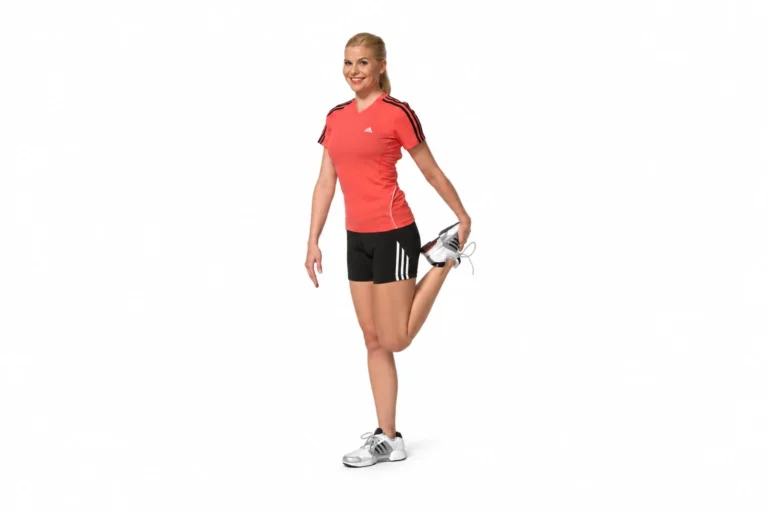
Static stretching can be part of a post-tennis flexibility routine. Its purpose should be clear: select positions that address a useful range of motion and that the player can hold comfortably. Completing a long checklist after every match is not automatically better than choosing a few relevant stretches.
The static stretching library contains individual setup instructions and demonstration notes. Use it to select movements rather than assuming every player needs every available stretch.
What Stretching Can And Cannot Promise
Do not promise that a stretching routine will prevent next-day soreness or restore strength for the next match. A 2021 systematic review of post-exercise stretching found no clear recovery advantage over passive rest for the outcomes studied, with substantial limitations in the evidence. Feeling comfortable after a stretch is different from proving faster physiological recovery.
Keep stretching alongside the other demands of post-match recovery, including getting out of the heat when necessary, replacing fluid and food as appropriate, and allowing time to rest. It does not compensate for an unsuitable training load.
Choose A Small Number Of Positions
The following options illustrate how to organize the library. They are not a compulsory sequence or an individualized treatment plan.
- Butterfly: a seated hip-adductor position; keep the torso upright and avoid abrupt pressure on the knees.
- Seated Piriformis: maintain a lifted chest as you move toward the crossed leg.
- Supine Knee To Chest: support the head and control the pelvis while bringing one leg toward the chest.
- Lunge Hip Flexor: establish the half-kneeling base position before considering a rotation variation.
Select the positions relevant to the player and the session. A stretch that produces pain, tingling or a feeling of joint instability is not a position to force more deeply.
Time The Hold Separately From The Clip
Several library videos demonstrate entry, position and release with a short hold. They are not timed follow-along sessions. Where the accompanying book guidance specifies a hold, use a timer for that prescription rather than copying the clip’s duration.
The Butterfly page also distinguishes the hands-on-feet photograph from the book’s hands-on-knees setup. Those details matter when you are trying to reproduce an exercise consistently. Record the variation you actually use.
Keep The Routine Repeatable
For each selected stretch, note the side, support position and hold you intend to use. Move into the position gradually, breathe normally and leave it under control. Avoid turning the cool-down into a competition for the deepest range.
On a crowded tournament day, use the time you have for a small, relevant routine rather than rushing through many positions. If the player repeatedly reports discomfort in the same area, review the training demand and seek assessment when indicated; adding more stretching is not a diagnosis.
Separate Post-Match Flexibility From Preparation
Before play, use a progressive tennis warm-up that prepares the player for movement and hitting. After play, choose flexibility work according to its purpose and the player’s response. The two routines may use some related positions, but their timing and intent differ.
Related Resources
Training Articles · Exercise Library · Book And Training Resources