
Second Edition · Chapter 3 Assessment · Original Test · 4.04
Measure hip flexion and the flexibility of the hip extensors and glutes, comparing each side with the tennis book’s range of motion criteria.
How To Perform The Test
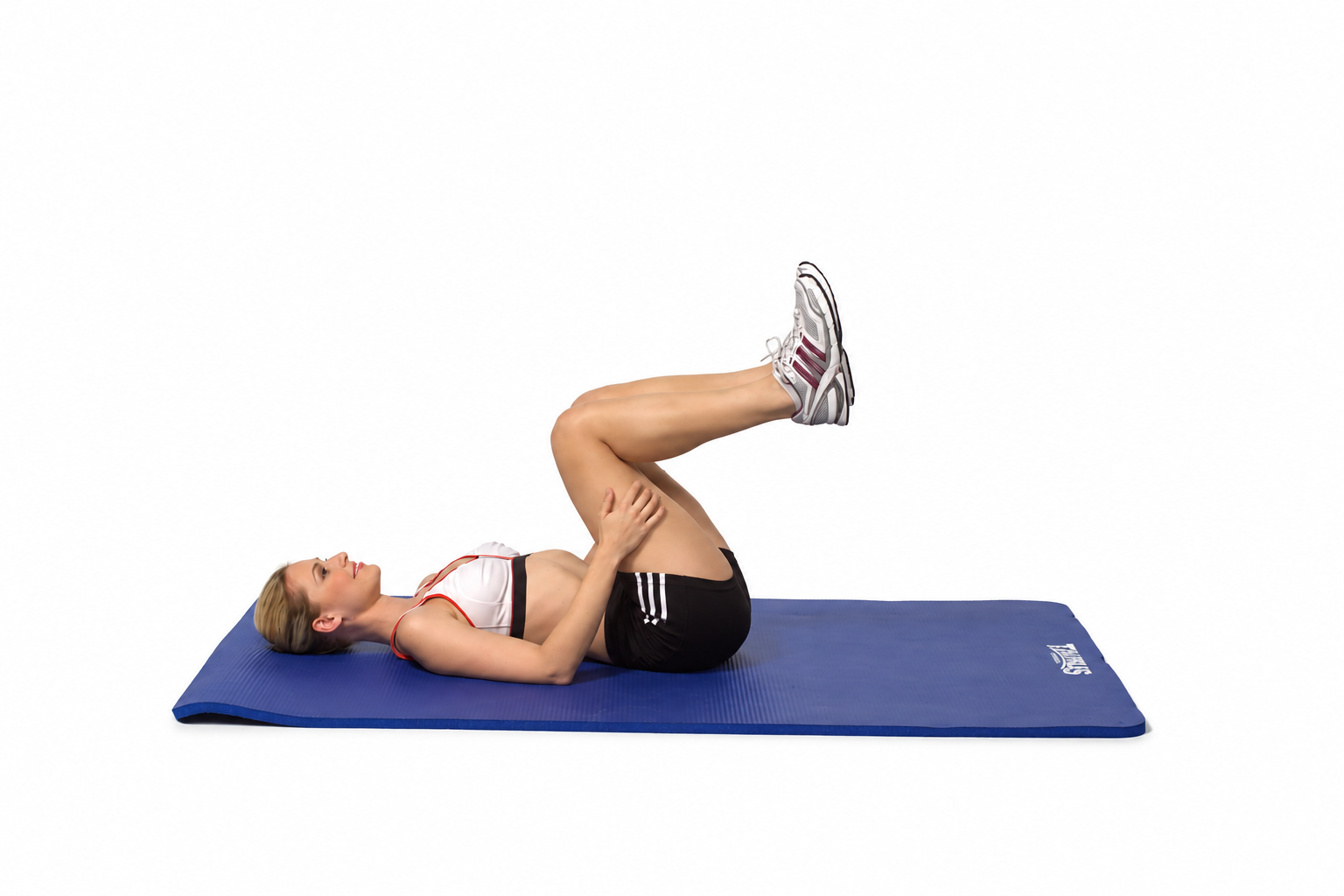
- Lie face up on a mat with the head neutral and eyes looking upward.
- Pull both knees toward the chest, holding behind the thighs at the hamstrings.
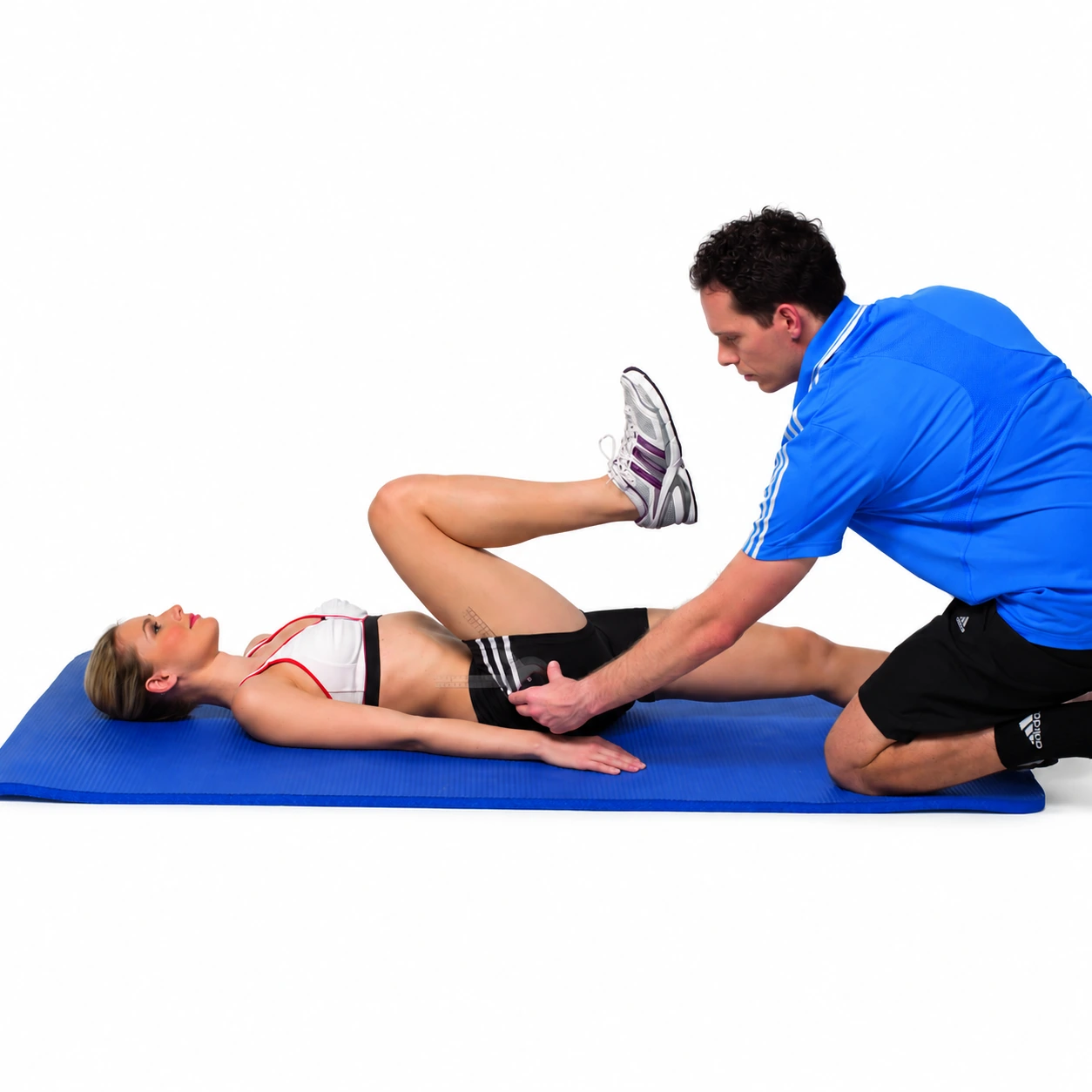
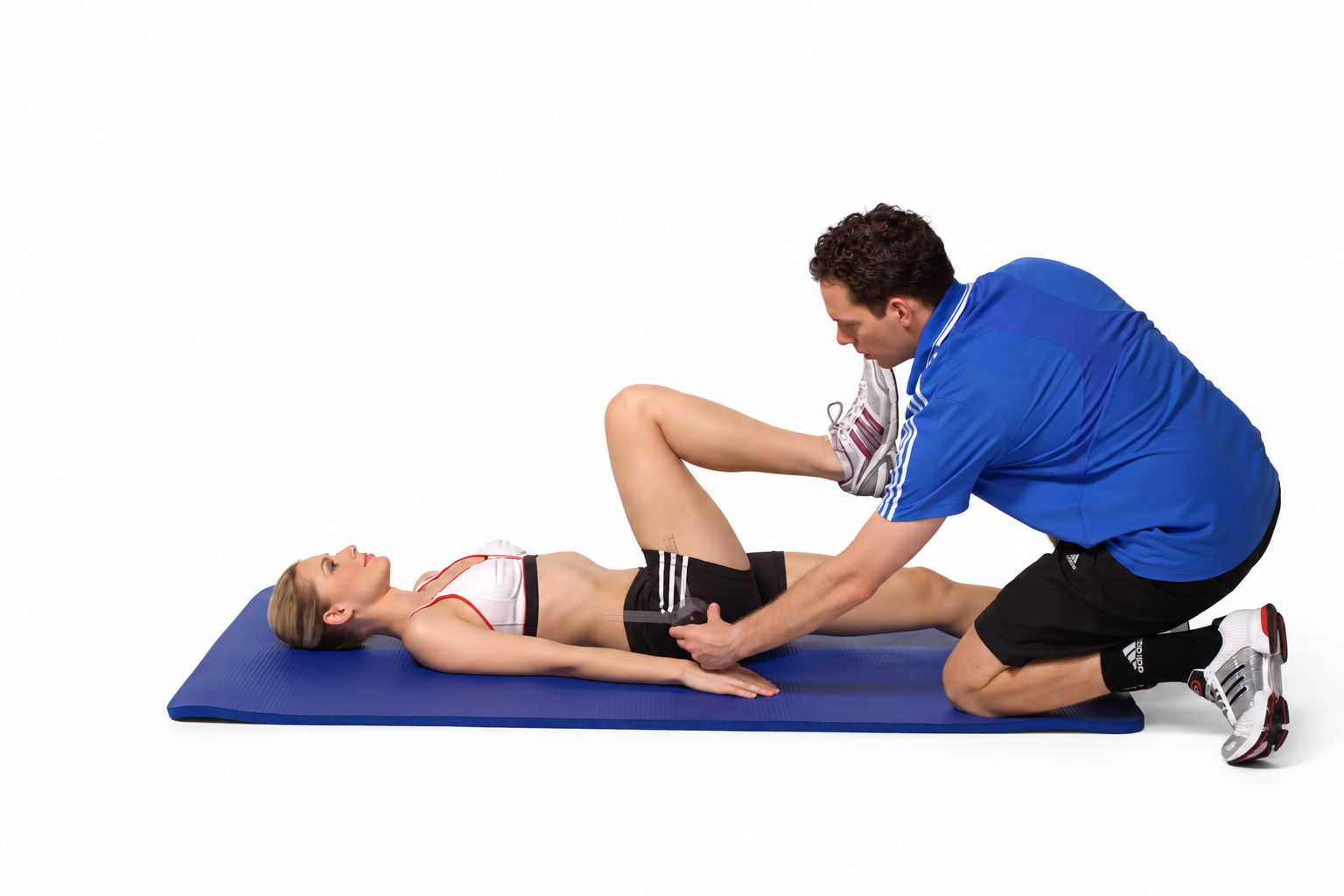
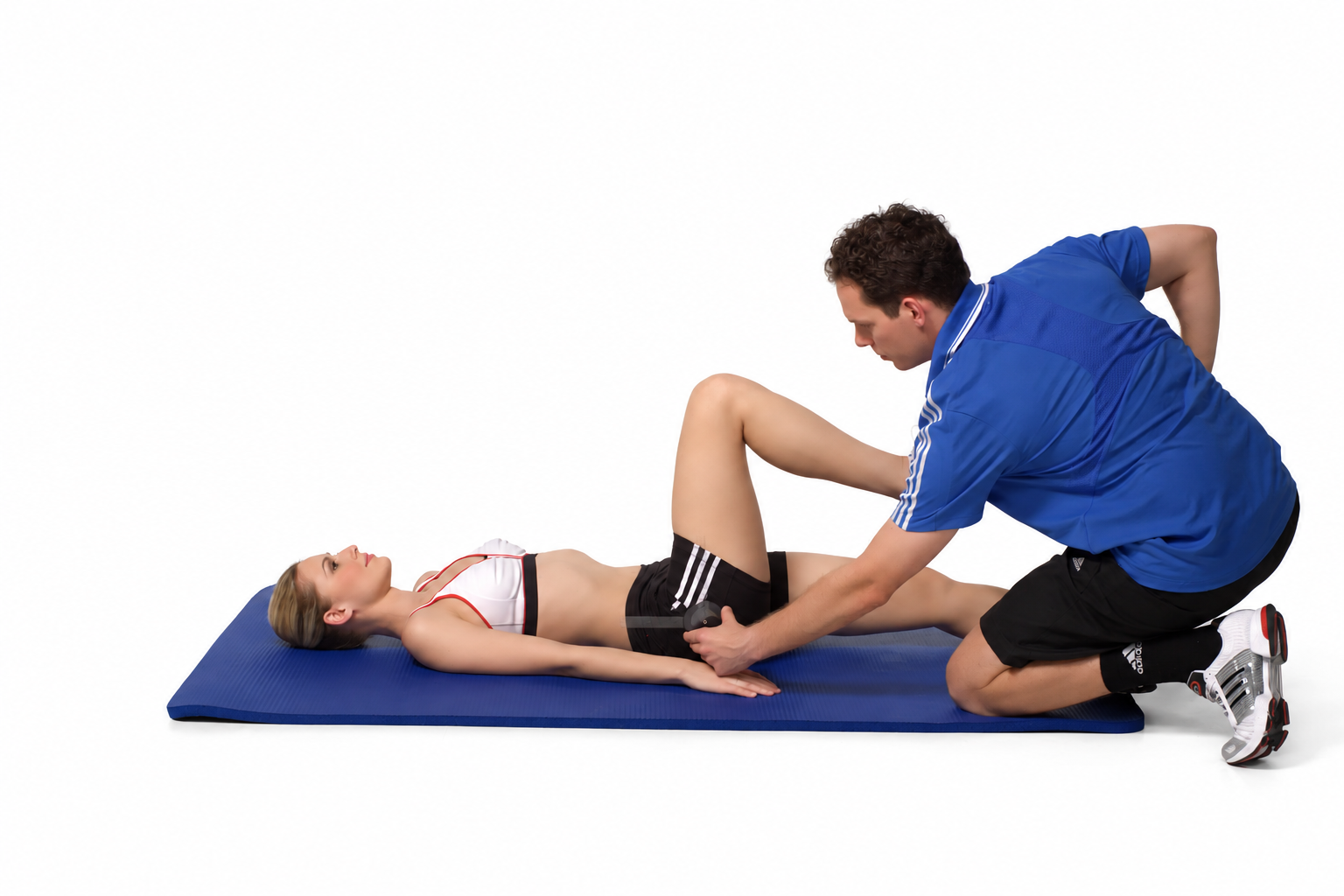
- Release one leg toward the floor until its hamstring rests on the mat. Keep that hip in contact with the floor.
- Hold the other leg toward the chest and use a goniometer to measure its hip flexion angle. Test the other hip the same way, then assess both legs together.
Record the angle for each side. Keep the setup and measurement method consistent when retesting.
Photographic Examples
The images show the start and three measurement positions. The photographs illustrate the motion; the numerical score comes from a goniometer, not a visual estimate.
Scoring From The Tennis Book
- Good: hip flexion of 120° or more.
- Fair: 100°–119°.
- Poor: less than 100°.
Score the right and left hip separately. Record unilateral and bilateral results separately, including the knee and pelvic positions. Do not combine these different test versions into one trend. The photo labels do not replace an angle measurement.
If Hip Flexion Is Limited
The book recommends High Knee Pull and Supine Knee to Chest to improve range of motion. Work within a comfortable range and retest both sides with the same procedure.
Book Reference
4.04 Hip Flexion Test, original reference retained in Chapter 3 of the Second Edition of Advanced Concepts of Strength & Conditioning for Tennis. Return to Fitness Assessment.